

The question of how best to protect your vehicle’s paint is central to car ownership, and the debate often boils down to two options: traditional wax or modern coatings. The clear answer, based on durability and long-term value, is that the advanced properties of a permanent coating offer superior value and protection, especially in the harsh environment of Cypress. If you are looking for long-lasting defense against sun and grime, investing in a professional Ceramic Coating Cypress service delivers the best results. This decision ultimately hinges on whether you prioritize a quick, temporary shine or a multi-year shield that preserves your vehicle’s finish. Wax offers immediate aesthetic improvement, while a high-quality liquid glass polymer forms a molecular barrier that completely redefines maintenance. We’ll break down the fundamental differences so you can make an informed choice for your valuable investment.
What Exactly Are the Fundamental Differences in How Paint Protection Options Work?
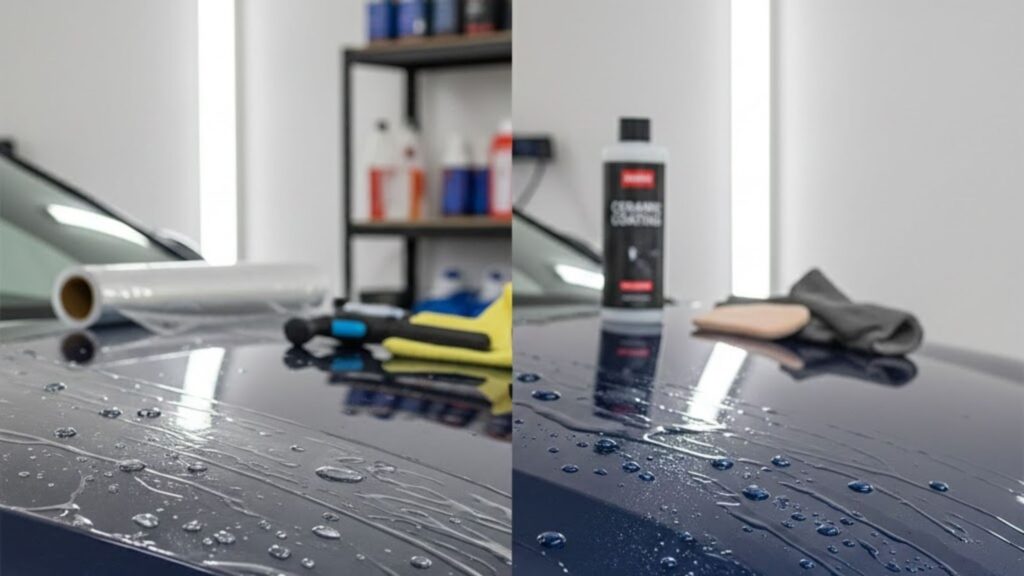
The core distinction between these two methods lies in their composition and how they interact with your vehicle’s clear coat. Traditional wax, whether natural carnauba or a synthetic blend, is designed to be a sacrificial layer that sits on top of the paint. It doesn’t bond chemically, which is why it degrades rapidly when exposed to detergents, heat, and environmental contaminants. The wax temporarily fills microscopic imperfections to create a glossy, reflective surface, offering protection that is short-lived.
Conversely, when you choose a Ceramic Coating Cypress, you are applying a liquid polymer product, typically based on silica or silicon dioxide nanotechnology. This solution doesn’t just rest on the surface; it cures and forms a semi-permanent, incredibly hard layer that chemically bonds to the factory paint. This bonding process creates a durable, glass-like shield that becomes an integral part of your car’s exterior finish. The result is a far stronger defense system against physical and chemical threats that are common on Texas roads. The superior bond means the material is significantly more resistant to breakdown from everyday use and washing.
The Makeup of Modern Protection: {SiO} vs. Carnauba
Understanding the ingredients helps explain the performance gap. Traditional wax relies heavily on natural substances like carnauba wax, a tropical product known for its natural shine. While it provides that sought-after warm glow, its organic nature means it melts, evaporates, and washes away easily, particularly under the intense Texas sun. It is a temporary cosmetic enhancement more than a robust protective measure.
The advanced alternative, often referred to as a nano-ceramic product, utilizes engineered materials like silicon dioxide. This component is a clear, molecular structure that provides exceptional hardness and heat tolerance once fully cured. Professional formulations often feature high concentrations of this active ingredient, sometimes combined with other polymers like graphene to enhance flexibility and anti-static properties. This chemical resilience is what allows the coating to maintain its integrity for years, not weeks.
How Long Can I Expect My Vehicle’s Finish to Be Protected?
This is where the two options diverge most dramatically, especially for vehicles in an active city environment. A standard carnauba wax application, even a high-quality one, will typically last between four to eight weeks, depending on washing frequency and exposure to direct sunlight. Synthetic spray waxes or sealants may extend this to three to six months.
A professionally installed advanced coating, however, is measured in years, not months. Depending on the product grade and maintenance, these coatings can reliably provide superior protection for two to five years, and sometimes longer. This longevity means you are trading frequent, labor-intensive reapplication for a one-time significant investment that drastically simplifies long-term vehicle care. The reduced frequency of necessary re-protection is one of the most compelling reasons owners choose this route. For more details on how long ceramic coating lasts, explore our full guide.
The Element Test: Heat and UV Resistance in Texas
The climate in Texas, particularly the intense heat and relentless sun, is a major factor in the lifespan of any exterior treatment. Wax softens and breaks down under high temperatures, diminishing its effectiveness and causing it to dissipate much faster than its manufacturer-stated maximum duration. Ultraviolet (UV) radiation from the sun is paint’s greatest enemy, leading to oxidation and color fading.
High-quality coatings are chemically engineered to withstand extreme environmental conditions. Their dense, cross-linked molecular structure provides a robust shield against UV rays, effectively preventing the sun from reaching and degrading the clear coat underneath. This superior resistance is a non-negotiable benefit for anyone parking their vehicle outdoors in the Houston or Cypress area. The consistency of protection throughout the year ensures the paint retains its deep color and gloss.
| Feature | Traditional Wax (Carnauba/Synthetic) | Advanced Liquid Polymer Coating |
| Composition | Natural oils, fats, and waxes (e.g., carnauba) | Silicon Dioxide ({SiO} or Quartz |
| Longevity | Weeks (4-8 weeks) to Months (3-6 months) | Years (2 to 5+ years) |
| Protection Type | Sacrificial barrier, fills minor scratches | Semi-permanent chemical bond, glass-like shell |
| UV Resistance | Limited (Breaks down under sunlight) | Excellent (Blocks harmful UV rays) |
| Initial Cost | Low | High |
Does a Permanent Coating Truly Resist Scratches and Chemical Stains?

While no paint protection product short of a thick film can make your vehicle completely impervious to deep scratches, a high-grade coating offers a significant increase in surface hardness compared to soft wax. Most professional-grade coatings rate at 9H on the Pencil Hardness Scale, which indicates a remarkable level of resistance to surface marring. This harder shell provides a defense against the tiny, spiderweb-like swirl marks and micro-scratches often caused by improper washing techniques or everyday debris. Wax offers virtually no protection against this type of damage.
The chemical resistance provided by a {SiO}-based product is also unmatched. Common threats like bird droppings, tree sap, and acid rain contain corrosive elements that can quickly etch through a thin wax layer and damage the clear coat. A cured polymer coating creates a formidable, non-porous barrier that resists these contaminants, giving you crucial time to clean them off without permanent damage. This chemical barrier is a vital part of long-term paint health. When evaluating the best path for your vehicle, especially considering the longevity of the protection, we highly recommend reading our detailed guide on the benefits of Ceramic Coating Cypress to understand the science behind this advanced application.
The Hydrophobic Advantage
One of the most noticeable benefits of an advanced coating is its intense water-repelling quality, often described as a hydrophobic effect. The surface tension of water molecules is dramatically increased, causing water to bead up into tight spheres that easily roll off the paint, taking dirt and road grime with them. This self-cleaning effect is remarkable and highly effective.
Wax also offers water-beading, but this effect is temporary and diminishes quickly as the wax layer breaks down. The superior water-repelling nature of a high-quality coating means that fewer contaminants stick to the surface, making routine maintenance simpler and safer. Less scrubbing translates to fewer opportunities for towel-induced swirl marks, keeping your paint pristine for longer.
How Much Time and Effort Goes into the Initial Application?
The effort required for the initial application is a significant differentiating factor. Waxing a car is straightforward and often considered a do-it-yourself (DIY) project. It involves washing the vehicle, applying the wax, and buffing it off—a process that typically takes a few hours. This makes wax a good option for enthusiasts who enjoy detailing their car regularly.
Applying a professional-grade coating, however, is a time-intensive and highly meticulous procedure. It requires several essential preparatory steps to ensure the polymer bonds correctly and lasts for years:
The Essential Preparation Steps
- Thorough Decontamination Wash: The vehicle must be stripped of all existing wax, sealants, and deep-seated grime.
- Iron Removal and Clay Bar Treatment: Specialized chemicals and a clay bar are used to pull out microscopic contaminants like brake dust and industrial fallout embedded in the clear coat.
- Paint Correction (Polishing): This is the most crucial step. Any existing swirl marks, scratches, or oxidation must be machine polished away before the coating is applied. The coating locks in the paint’s current condition, so it must be flawless beforehand.
- Final Surface Wipe: A panel prep solution is used to ensure the surface is completely oil-free before the coating is applied.
- Coating Application and Curing: The coating is applied panel by panel, allowed to flash, and then gently leveled. After application, the vehicle must cure in a controlled environment for 12 to 48 hours to allow the chemical bond to fully harden.
Because of this intensive and specialized process, professional application is strongly recommended to achieve the promised durability and finish quality. At Ixexotics, our specialists are trained in the specific techniques required for flawless installation. If you are interested in learning more about the meticulous, multi-step process we follow, we invite you to review the detailed breakdown of our services.
Considering the Long-Term, What Is the Total Investment?
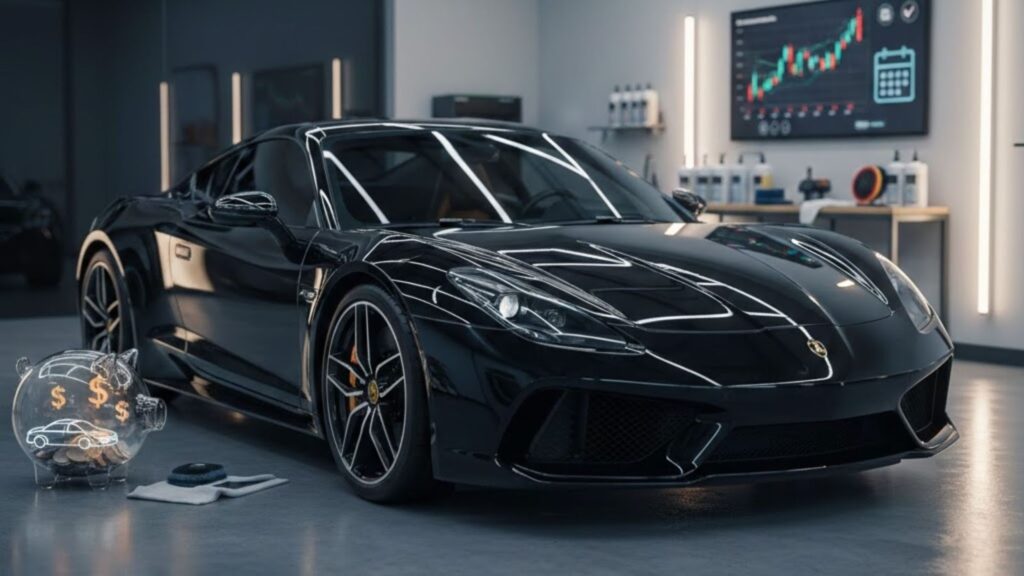
While the initial cost of a professional coating service is significantly higher than buying a tin of carnauba wax, the comparison changes drastically when viewed over a multi-year period. Waxing a vehicle every two to three months requires purchasing the product, time spent applying it, and potentially the cost of professional application. Over three to five years, these repeated expenses quickly add up.
A coating, by contrast, is a one-time investment that drastically reduces the maintenance cycle and the need for new protective products. Furthermore, because a coated vehicle is much easier to wash, owners often save on professional car washes or spend less time detailing themselves. In terms of lifetime cost of ownership and maintaining maximum resale value, the advanced treatment often proves to be the more economical choice.
| Feature | Upfront Cost | Application Frequency | Annual Time Commitment | Cost Over 5 Years |
| Traditional Wax | Very Low | Every 1-3 months (4-12 times/year) | 12-36 hours | Moderate to High |
| Advanced Coating | High | Once (Maintenance wash only) | 1-2 hours | Low (Excluding initial cost) |
If you are ready to explore a long-term solution that protects your paint and minimizes maintenance, please contact us directly. We can provide a detailed estimate based on your vehicle’s condition and the level of protection you desire.
Which Protection Option is Right for My Lifestyle in Cypress?
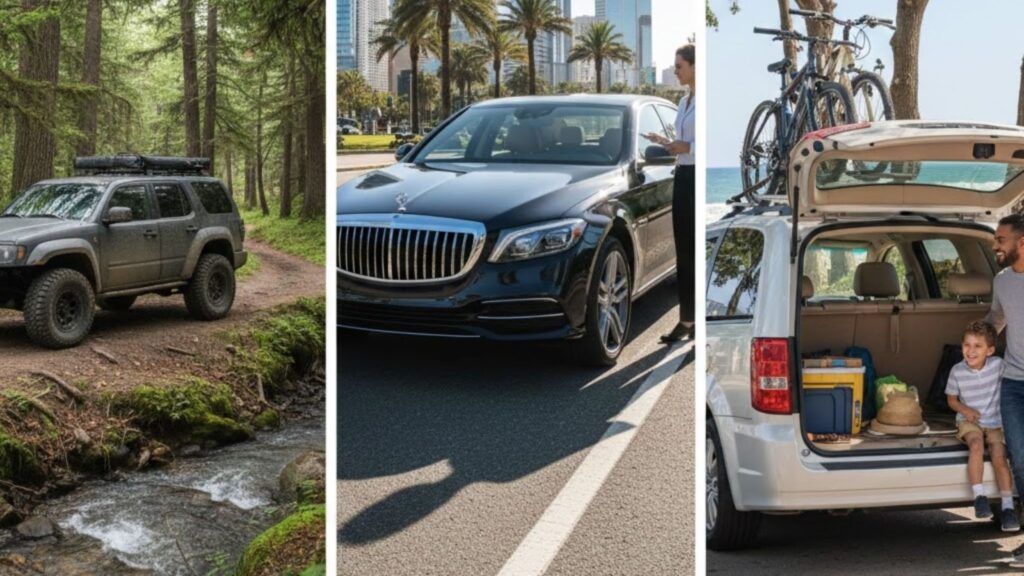
The best choice for you depends entirely on your priorities, budget, and how you use your vehicle in the Cypress area.
You should choose an advanced polymer coating if:
- You plan to keep your vehicle for several years and want to maximize its finish preservation.
- You use your vehicle daily and it is frequently exposed to sun, dust, and freeway grime.
- You prioritize minimal maintenance and want washing to be quick and easy.
- You want the highest level of defense against UV damage and chemical etching.
You should choose traditional wax if:
- You are selling your car soon and need a quick, temporary shine boost.
- You enjoy detailing your vehicle frequently and find the waxing process relaxing.
- Your budget demands the lowest possible initial cost for paint enhancement.
- Your vehicle is primarily garage-kept and sees limited exposure to harsh elements.
For most drivers seeking real-world defense that stands up to Texas driving, the superior durability of the ceramic option is the clear winner. The team at Ixexotics specializes in determining the perfect protection plan for your specific model and usage patterns.
Frequently Asked Questions
Understanding the common inquiries helps clarify the decision between these two options. We address the five most frequently asked questions here:
What is the ideal time frame to apply wax or a coating after buying a new car?
For the best possible results, any long-term protection should be applied as soon as possible after purchasing a new vehicle. New car paint is typically in excellent condition, meaning less intensive preparation is needed, which makes the coating process more efficient and effective. Waiting too long allows contaminants and minor damage to accumulate, requiring costly pre-application paint correction later.
Can I apply wax over my vehicle’s permanent coating?
Yes, technically you can apply a natural wax over a cured coating, but it is generally discouraged. Wax will temporarily mute the superior water-repelling properties of the coating and may even attract more dust due to its softer composition. If you wish to enhance the shine, specific booster or maintenance products designed for use with the coating should be used instead of traditional wax.
Will a coating truly prevent my car’s paint from fading in the sun?
Yes, this is one of the most critical benefits of a quality polymer coating. The advanced chemical structure is highly effective at blocking harmful ultraviolet (UV) radiation from reaching the paint’s clear coat. This UV resistance significantly slows down the oxidation process that causes colors to fade and dull over time, ensuring your vehicle maintains its deep luster for years in direct sunlight.
Are these coatings scratch-proof?
No, the term “scratch-proof” is misleading. While coatings dramatically increase the surface hardness (often rated 9H), they are not invincible. They will resist minor abrasions and light swirl marks much better than wax, but they cannot prevent damage from rock chips, deep keys, or impact from collision. For the ultimate physical defense against these threats, a Paint Protection Film (PPF) is the preferred solution.
Does a coated car still require washing and maintenance?
Absolutely. A coated vehicle is not maintenance-free; it is easier to maintain. The coating ensures dirt and grime are less likely to stick, so washing becomes quicker and more efficient. However, routine washing with a pH-neutral soap is still required to prevent mineral deposits and heavy contamination from building up, which can eventually diminish the coating’s effectiveness and shine.
Final Words
In summary, the choice between traditional wax and advanced paint protection options requires balancing short-term cost against long-term durability and convenience. For vehicle owners in the Ceramic Coating Cypress area who seek multi-year preservation and minimal effort in their routine care, the polymer coating offers unparalleled value. It is the modern standard for preserving and enhancing a vehicle’s appearance against the demands of daily driving.